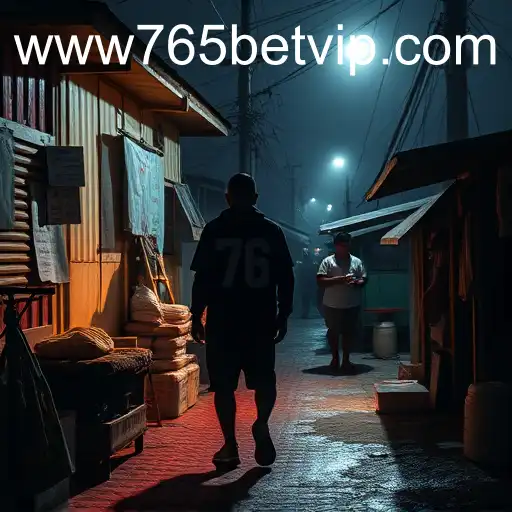
Understanding Jueteng: The Intricacies of the Underground Numbers Game
Jueteng is a grassroots numbers game that has been deeply embedded in the cultural landscape of the Philippines for many decades. Despite being illegal, it thrives in many communities, primarily due to its accessibility and the promise of quick monetary rewards. In this exploration of Jueteng, we delve into the mechanics of this illicit activity, the role of the "765 bet," and its enduring presence in Filipino society.
The Origins and Mechanics of Jueteng
The origins of Jueteng trace back to the Spanish colonial period in the Philippines, evolving over the years into the form we recognize today. Essentially, it is a number-guessing game initially popularized in the northern provinces but expanding throughout the nation. Participants choose a combination of numbers to bet on, hoping that this set will be drawn in the daily results. One common combination in Jueteng is the "765 bet," a favorite among regular players.59 bet
59 betEach round of Jueteng starts when "cobradores," or bet collectors, traverse neighborhoods to gather bets. Players wager small amounts, hoping to win big. The funds collected by cobradores are then brought to the "cabo," or the middleman, who consolidates the bets and ensures their delivery to the "kubrador," the head of operations.
The Allure of the "765 Bet" in Jueteng
Among the various number combinations bettors choose, the "765 bet" stands out due to its historical and anecdotal significance. This combination is often associated with streaks of luck, community stories, and urban legends. Some players believe certain numbers have auspicious associations, drawing on dreams, significant life events, or mythological references to decide their bets.
In many barrios, the "765 bet" has transcended its numerical value, becoming a symbol of luck and hope. It illustrates the cultural impregnations of belief and superstition into gambling practices. For a sizable number of Filipinos, betting on Jueteng, especially with combinations like "765," is not merely a game of chance but also an avenue for expressing cultural narratives.
Economic Impact and Social Context
Jueteng is often viewed as a lifeline for the economically disadvantaged, providing a semblance of hope amidst financial despair. Despite its illegality, the game’s simplicity and local familiarity have made it a resilient and adaptive aspect of local economies. The game's decentralized nature ensures that a significant portion of revenue remains within communities, albeit unofficially.
However, it also underscores the inadequacies of formal economic systems in providing comprehensive welfare to marginalized groups. The relative ease of participating in Jueteng stands against the backdrop of limited government-sanctioned options for financial assistance. This dynamic creates a delicate equilibrium where legality and necessity intersect.
Challenges of Enforcement and Regulation
FlabetAttempts to curb Jueteng have been met with varying degrees of success. The deeply entrenched networks and extensive grassroots connections complicate the enforcement of anti-gambling laws. The intertwining of influence between some public officials and Jueteng operators further blurs the lines of authority and accountability.
Endemic corruption exacerbates the challenge, with law enforcement agencies often under-resourced or compromised by vested interests. This situation highlights the broader systemic challenges facing governance and regulation in the context of informal economies. Despite governmental proclamations and initiatives, the cycle of Jueteng often continues unabated, protected by its cultural foothold and economic necessity.
Jueteng's Cultural Reflection and Sociopolitical Influence
Jueteng embodies more than just an illegal gambling operation; it reflects deep societal undercurrents. From deeply rooted traditions to manifestations of economic disenfranchisement, the game embodies multidimensional aspects of the Filipino experience. For many, the "765 bet" or any preferred number is a vehicle of voice or protest—silent yet powerful in its persistence.
This cultural entrenchment also lends Jueteng a subtle yet potent form of sociopolitical influence. During electoral cycles, Jueteng operators may wield significant sway over voters, creating alliances with political entities to further consolidate power and protect interests. The cycle of dependency and collaboration straddles the divide between legality and legitimacy.Cbet
The Future of Jueteng: Between Cultural Continuity and Legal Struggles
In contemplating the future of Jueteng, one faces a conundrum of balancing cultural heritage with the imperatives of law. Will more structured forms of legalized gambling displace it, or will Jueteng adapt to new paradigms of societal norms and technological advancements?php da Sorte
The intricate dance between regulation, societal acceptance, and economic necessity continues to play out across the archipelago. For now, Jueteng remains a resilient portrayal of Filipino culture, where the "765 bet" and myriad other combinations hold dreams and risks in equal measure.